Seedlings & Species
The 16 indigenous and agroforestry species propagated at our nursery.
Nursery Species Profiles
Verified indigenous and agroforestry species propagated by Oloolua Youth Guardians CFA.
Showing 16 of 16 species
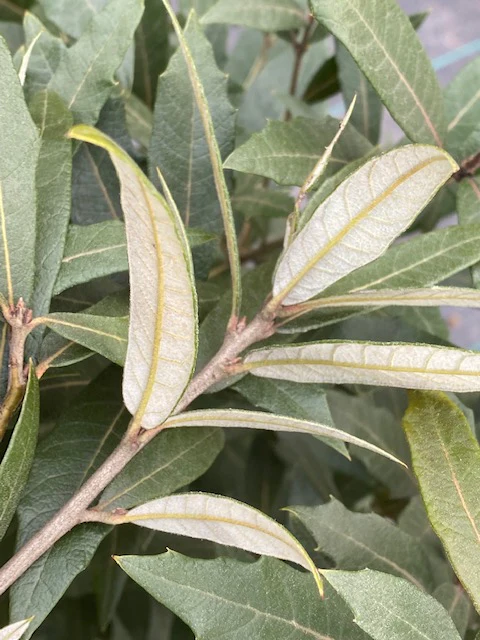
Silver Oak · Silky Oak
Grevillea robusta A.Cunn. ex R.Br. · Proteaceae
Documented Kenyan uses (Kakamega Forest) include treatment of sore throat, earache, chest complaints, flu, and toothache. Bark and leaf extracts show anti-inflammatory and hepatoprotective properties in pharmacological studies.
Valued for furniture, cabinetry, plywood, and turnery. Attractive, durable wood used for decorative paneling and musical instruments.
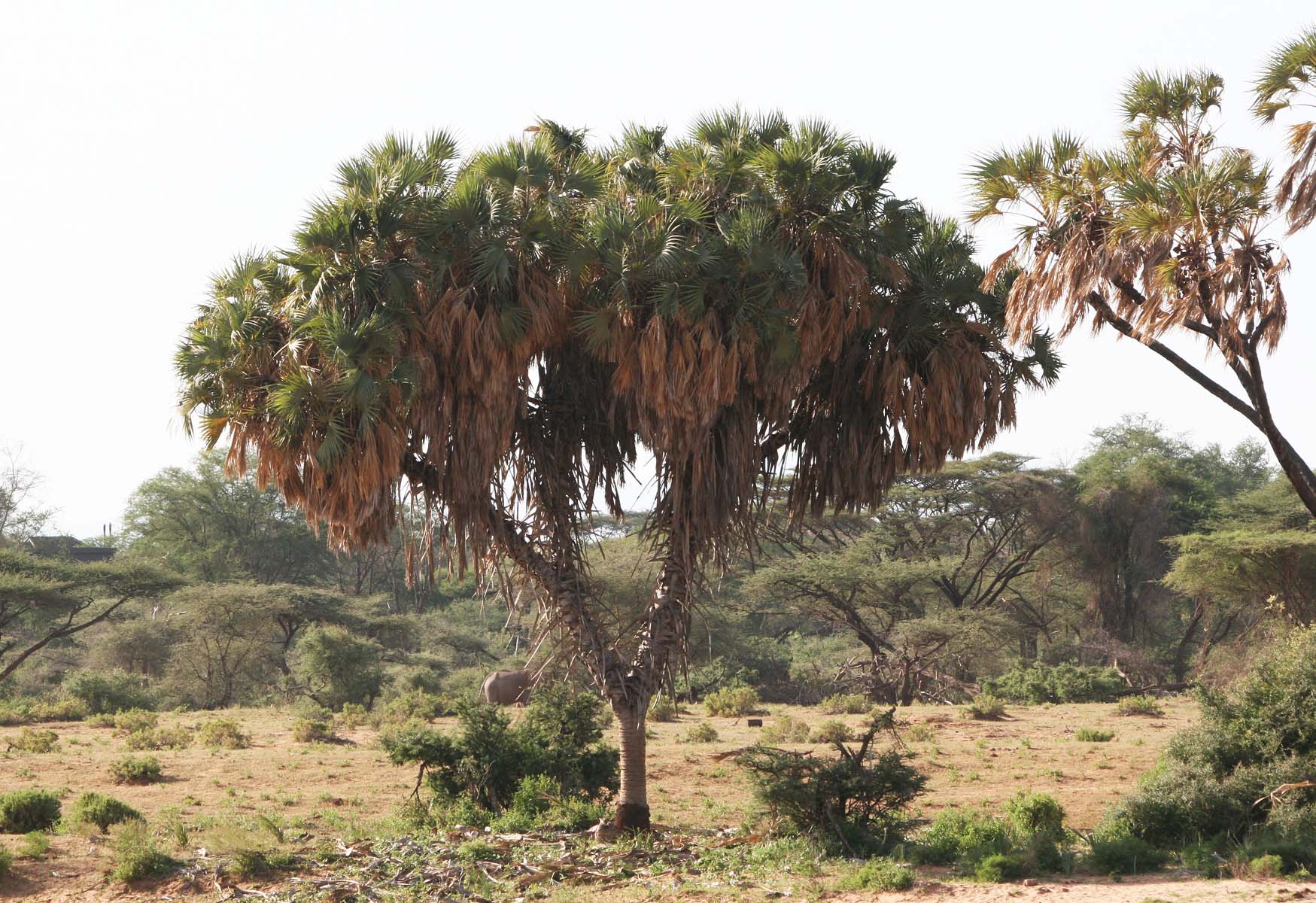
Doum Palm · Thika Palm
Hyphaene compressa H.Wendl. · Arecaceae
Leaves woven into baskets, mats, brooms, and roofing thatch. The trunk provides building poles, beehives, and cabinet-making material. A true multipurpose palm of the ASALs.
Fibrous fruit pulp is edible and sweet, often chewed or made into beverages during dry seasons.

African Cherry · Red Stinkwood
Prunus africana (Hook.f.) Kalkman · Rosaceae
Bark extract (marketed as "pygeum") is globally recognised for treating benign prostatic hyperplasia (BPH). Used for generations in African traditional medicine; also shows anti-inflammatory, antimicrobial, and hepatoprotective activities in pharmacological research.
Hard, heavy heartwood with a distinctive reddish-brown colour; used for construction, flooring, and tool handles.

Avocado
Persea americana Mill. · Lauraceae
Rich in monounsaturated fats (primarily oleic acid), potassium, magnesium, and bioactive polyphenols supporting cardiovascular health.
Leaf and seed extracts used in traditional medicine for skin infections and digestive disorders. Avocado oil is valued in skincare and hair products.
Matomoko · Common Wild Fig
Ficus thonningii Blume · Moraceae
Leaves and young figs are excellent dry-season fodder. Research shows inclusion of F. thonningii leaves can replace commercial concentrate in goat diets.
Bark decoction used for colds, sore throat, and dysentery. Latex applied topically for wound healing.
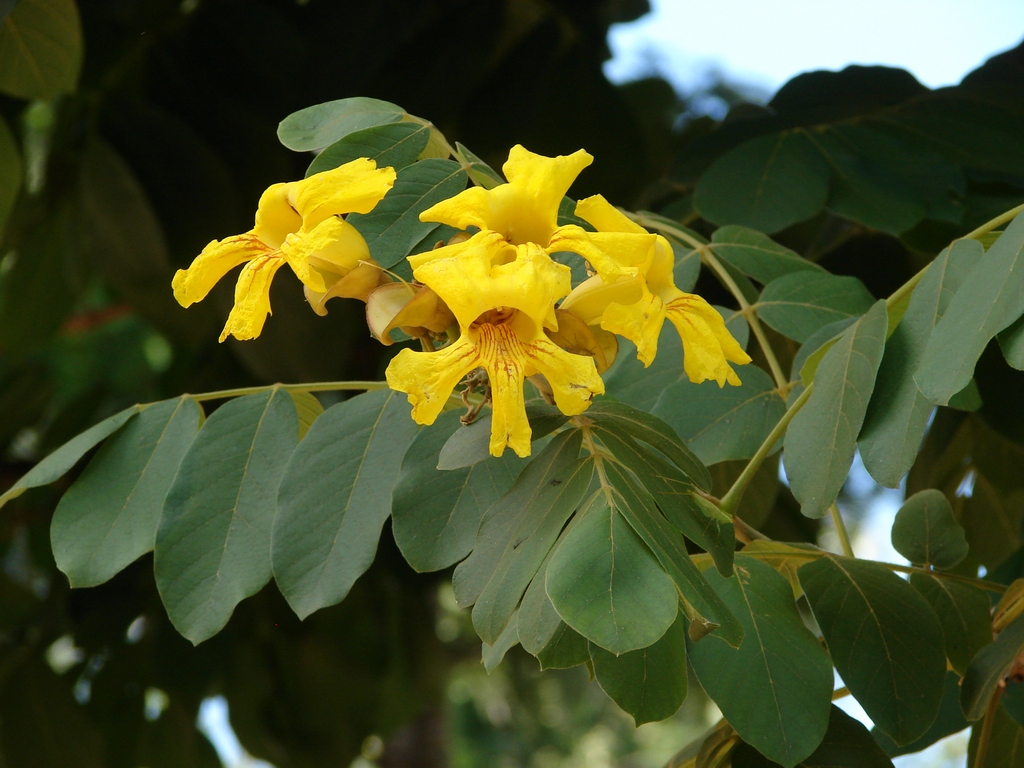
Markhamia · Nile Tulip Tree
Markhamia lutea (Benth.) K.Schum. · Bignoniaceae
Light but durable wood used for light construction, furniture, tool handles, and beehives. Fast-growing; well-suited to agroforestry boundary planting.
Root bark used for anaemia, diarrhoea, and back pain. Leaf preparations applied for rheumatic complaints.
Vivid yellow trumpet-shaped flowers are highly attractive to bees, an important species for honey production.
Acacia (Vachellia)
Vachellia spp. (formerly Acacia) · Fabaceae
Pods and leaves are highly palatable livestock fodder. Gum arabic has food-grade and pharmaceutical applications.
Bark decoction used for diarrhoea, gingivitis, and skin irritation. Applied as an astringent and for wound healing.
Extremely hard, dense wood prized for furniture, carving, and high-quality firewood and charcoal.
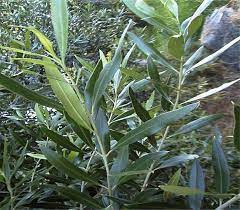
African Olive · Mutamaiyu
Olea europaea subsp. cuspidata · Oleaceae
Extremely durable, fine-grained, termite-resistant wood used for high-end carving, turnery, and long-lasting fence posts.
Bark and leaves used traditionally as tonics, astringents, and remedies for fevers, chest complaints, and tooth hygiene.

Teclea · Small Fruited Teclea
Teclea nobilis Del. · Rutaceae
Leaves, bark, and roots used across East Africa to treat malaria, rheumatism, arthritis, pneumonia, cough, fever, and headache.
Leaf decoction taken for chest pain and as an anthelmintic. Root infusions used for stomach-ache and backache.
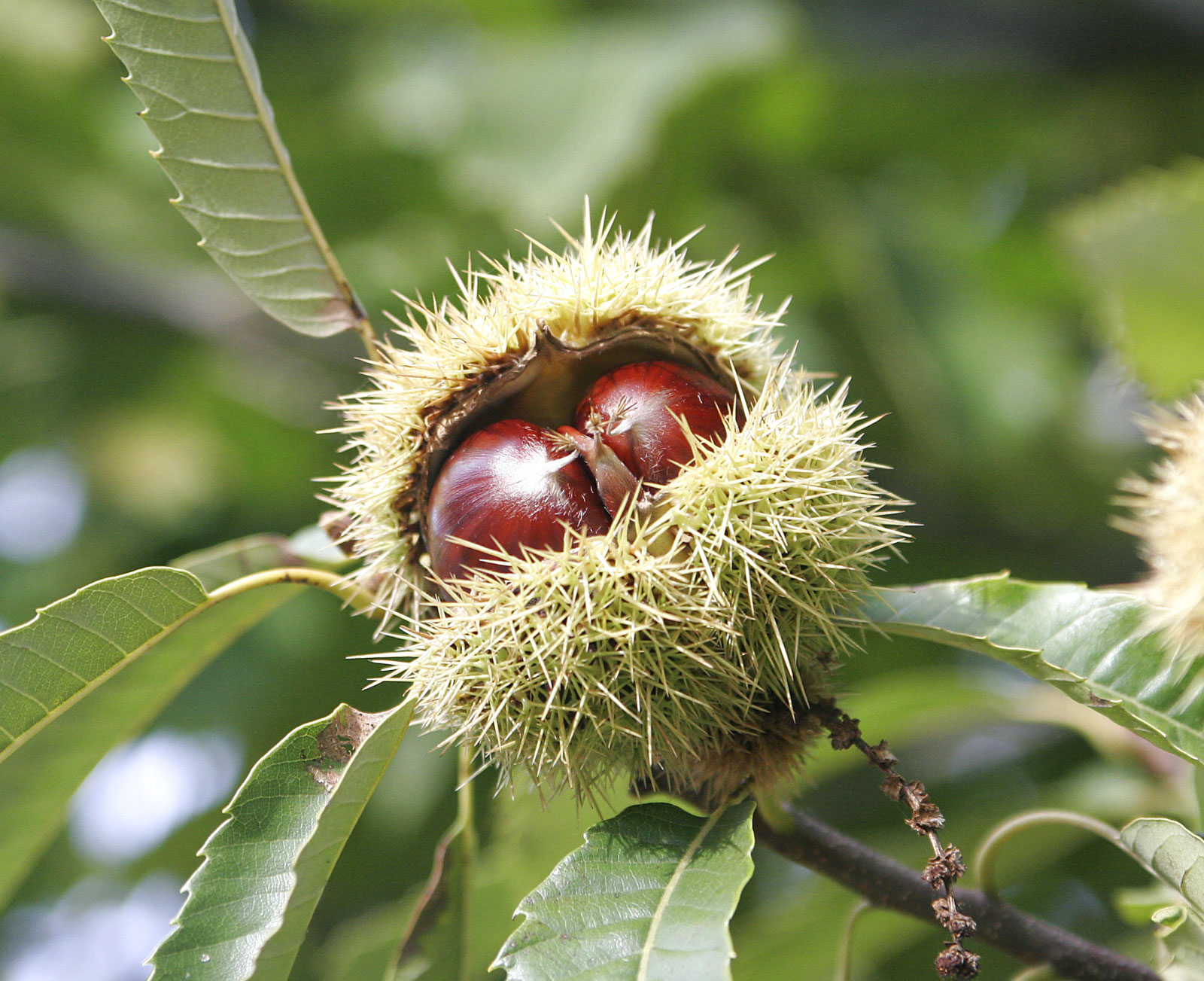
Chestnut
Castanea spp. · Fagaceae
Nuts are rich in complex carbohydrates and low in fat. Eaten roasted, boiled, or ground into gluten-free flour.
Naturally rot-resistant due to high tannin content; used for fencing posts, furniture, and outdoor construction.
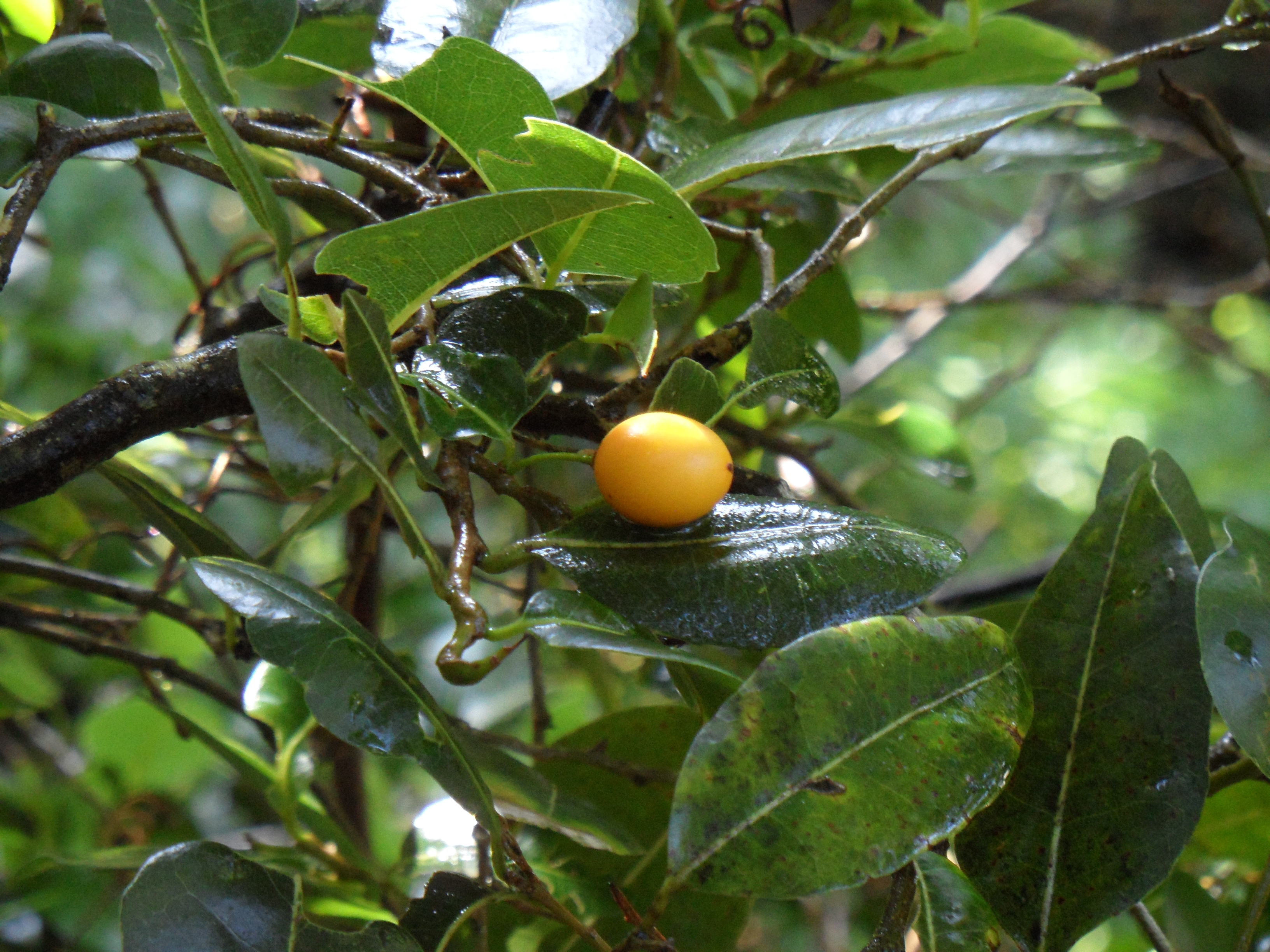
Drypetes
Drypetes spp. · Putranjivaceae
Used across Africa to treat fevers, insect bites, and as a general restorative. Root and stem bark protect stored grain from pest insects.
Stem bark extracts show antifungal activity including against Candida strains in in-vitro studies.
Croton · Musine
Croton megalocarpus Hutch. · Euphorbiaceae
Seeds contain 30–40% oil suitable for biodiesel. Residual seed cake contains 25–30% protein used as poultry and livestock feed supplement.
Bark decoction used against intestinal worms, whooping cough, pneumonia, malaria, and stomach ailments.
High-nitrogen leaves make excellent mulch for crops, especially coffee. Fast-growing pioneer species ideal for forest restoration and carbon sequestration.

Toothbrush Tree · Miswak
Salvadora persica L. · Salvadoraceae
Twigs (miswak/siwak) used for centuries as a natural toothbrush with documented antibacterial, antiplaque, and anti-gingivitis properties.
Root decoctions used for spleen conditions and stomach complaints. Leaves applied for cough and asthma.

East African Greenheart · Muthiga
Warburgia ugandensis Sprague · Canellaceae
Bark and root extracts used for pneumonia, asthma, malaria, candidiasis, and skin infections. Peppery-bitter taste from drimane sesquiterpenes (warburganal, mukaadial).
Yellow-green heartwood, fragrant and resistant to insect attack. Resin used as glue for tool handles.

Jackfruit
Artocarpus heterophyllus Lam. · Moraceae
Nutritious pulp rich in carbohydrates, vitamins A, B, and C, and minerals. Seeds are boiled or roasted as snacks.
Heartwood is naturally termite-resistant and valued for furniture and musical instruments.
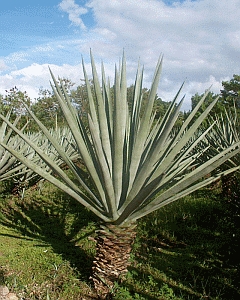
Sisal
Agave sisalana Perrine · Asparagaceae
Primary source of hard natural fibre for rope, twine, and handicrafts. Resists saltwater corrosion.
Architectural succulent used for live fencing and preventing soil erosion in degraded areas.